Risk management consultants
World-class business resilience
We are the leading specialised provider of resilience & risk management solutions throughout Australia & New Zealand. We empower clients to strengthen their resilience maturity using a practical and adaptive approach.















Business as usual as quick as possible
- Business Continuity
- Incident Management
- Crisis Management
- Crisis Communications
- Enterprise Risk Management
- CBCI Accredited Training
Partnered with the best software
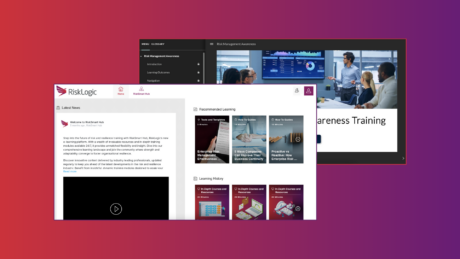
Our partnerships allow us to provide our clients with the world’s best resilience management software solution & AI-powered risk and compliance software.

Industries We Serve
We’ve worked with 500+ organisations across 30+ industries, equipping our clients with the experience, capabilities and tools to confidently continue operations & minimise risks.
-

Education
Tertiary institutions, online learning platform providers & more.
-

Property & Retail
Retail providers, construction companies & more.
-
Finance
Banking institutions, insurance companies, brokerage firms & more.
-
Utilities & Infrastructure
Providers of electricity, natural gas, water & more.
-
Transport, Supply Chain & Aviation
Airlines, trucking, railroads, suppliers, logistics providers & more.
-

Not-for-profit
National charities, foundations, employment training & more.
-
Federal, State & Local Government
Government Departments, Statutory Authorities, Councils & more
-
Manufacturing
Electronics, automotives, clothing, food production & more.
-

Health & Aged Care
Accomodation and equipment providers, health care providers & more.


Start Building Your Resilience
We’re excited to get started working together on your resilience management. Fill out our contact form and our expert team will reach out to you shortly.
Resources HUB
-

Evolving Your Risk Management Strategies: Before and After RiskSmart Hub
-

Prioritising Human Factors in Business Continuity Planning
-
How Efficient Cyber Resilience Strategies Protect Your Business
-
The Rapid Evolution of Cyber Resilience in a Modern Business Landscape
-
Clearing the Fog: Identifying Misconceptions About Cyber Resilience
-
Building Resilience: Why Investing in Organisational ERM Training is Essential
-
Sharpening Your Business Edge: The Importance of Risk and Resilience E-Learning In Today's Landscape
-
Investing In Your Team: Building a Resilient Organisation Through Effective E-Learning
-
What Is a Business Continuity Plan (BCP) and Why You Need One
-

Avoiding Pitfalls In Your Journey To CPS 230 Compliance
-
The Impacts of CPS 230 on Australian Financial Institutions: A Closer Look
-
The Essentials of CPS 230 Compliance
-

Understanding the Significance of ERM in Today's Business World
-
The Role of Enterprise Risk Management in Facilitating Business Growth
-
Proactive vs Reactive: How Enterprise Risk Management Converts Threats into Opportunities
-

Crisis Communications: The Fundamental Guide
-
Incident Management: The Fundamental Guide
-
5 Ways Organisations Can Improve Their Business Continuity
-
How To Design Business Continuity Solutions
-
The world’s biggest Cyber attack just happened, here’s what you should know
-
Work-Life Balance: is it possible?
-

The Christchurch Earthquakes and a Senior Business Continuity Consultant
-
The Question Isn’t Can You Exercise, It’s Will You?
-
How The Defense Force Was Hacked
-
How to Avoid the Auckland Fuel Crisis Reoccuring
-
The Responsibility Falls on You, Not the Contractor
-
How Incident Management Exercises Become Reality
-
Organisations Under Pressure: Leading in a Crisis
-
Mass Communications and How They Affect Our Visitors
-
A.I. Recognising You: A Good or Bad Thing?
-

5 Tips on Responding to a Cyberattack
-
Criminal Investigation within The Workplace
-
Internal Theft: The Price of Money Fraud
-
What We Can Learn From Y2K
-
What is Business Continuity?
-
Cyber Response Plans
-
How the Insurance & Continuity Lifecycle Works
-
Netflix’s ‘The Horn’: the Epitome of Resilience
-
Bangalore’s Organised Chaos & it’s Effectiveness
-
Business Continuity in Prague | Four Key Points
-
The buzz word: Denial
-
Mass Supply Chain Issues | A German Case Study
-
Stimulating Interest Before a Crisis Event
-
Why You Need to Consider A Crisis Communications Plan
-
Is Your Business Ready For The FENZ Emergency Scheme?
-
No Smoke Without Fire: The Auckland NZICC Crisis
-
CIMS Training for Businesses: A Breakdown
-
This Is What To Consider For A ‘Working From Home’ Policy
-

Why You Should Stop Telling Staff to “Lockdown”
-
The Three R’s – Restore, Recover, and Review
-
The C Word: Complacency
-
Were Manufacturers Ready For This Crisis?
-
The Incident Management Response Pyramid
-

The importance of Training and Exercise
-

The Human Impact of a Crisis
-
Cybersecurity: Not Just an IT Issue
-
The Rise of Virtual Kidnapping
-
Sensitive Data: The true cost of whatsapp
-
3 ways to fail crisis communications
-
APRA Prudential Standards CPS 234 Information Security
-
Digital Threat Environment: OAIC Notifiable Data Breaches
-
Phishing Scams
-
Melbourne Factory Fire
-
Communicating in a crisis – make the public apology count
-
Data Security
-
The very public and never ending Baltimore ransomware attack
-
Pick me! How to select a team member when the talent pool is extraordinary
-
5 reasons why you should have a business continuity plan
-
Building APS910 compliance into Business Continuity Plans
-
Why is the value of social media in a crisis still being ignored?
-

Schools in lockdown – How we move forward
-
Deepfake voice generation now being used by cyber scammers
-

Is your business resilient to Grey Rhinos and Black Swans?
-
Maintaining business continuity in a fuel crisis
-
APRA’s information security requirements: is your organisation prepared?
-

Don’t shoot the canary in your coalmine
-
Safety blindspots: Decision-making in a mining incident response
-
Bushfire haze an emerging threat to Business Continuity
-
Working from Home: COVID-19 Themed Social Engineering Attacks
-
Strengthening cyber resilience in a COVID worlds
-
A well-established La Niña is heading our way
-
When life imitates a crisis exercise
-
Integrating Fatigue Management programs into Business Continuity
-
Crisis Management in Tourism – When Tragedy Strikes
-
A Trigger for Business Continuity
-
Managing Concurrent Incidents: Learning from the Australian Open
-
Integrated Business Continuity Plans: Tackling Cyber Risk Head-on
-

Learning Resilient Leadership: Putting leaders ‘in the box’
-
Thinking About Embedding Organisational Resilience
-

What to do when your boss says “drop everything”
-
How Business Continuity Can Help SME’s to Multinationals
-
IPCC Climate Report Critical for Business Continuity Change
-
Were business continuity procedures sufficient for the pandemic?
-
Should we still have our Crisis Management Team Activated?
-
Focus is on corporate resilience for board members
-
Uncovering Post Pandemic Crisis Trends
-
The Event That Forever Changed Resilience Management
-
The Internet of Things Security: Being Hacked at Home
-
Understanding Cyber Ransom Procedures
-
Business Continuity – Online Capabilities
-
Loss of key staff: Major disruption for Australian businesses
-
Uncovering crisis trends post pandemic
-
The moral and financial impacts of the invasion on Ukraine
-
Organisational Resilience and the 4 Levels of Maturity
-
Business Continuity: The Fundamental Guide
-
Emergency and Crisis Management Aged Care sector: a training success story
-
Bureau of Meteorology reignites need for climate business continuity
-

Review: World Economic Forum Global Risk Report
-

New Zealand Schools in Lockdown
-
Athlete Resilience Series